They say growth happens in the in-between moments, such as right now, between your first National Council Licensure Examination (NCLEX®) attempt and your next one. It’s okay if you didn’t pass this time around. This is your chance to take what you’ve learned, refocus, and get ready to crush it on your next attempt. Take a breath, and let’s figure out your next move together.
Can I Retake the NCLEX®?
Yes. You can retake the NCLEX if you didn’t pass your first attempt. Most states allow up to 8 retakes per year with at least 45 days between exams. Each state’s nursing regulatory body (NRB) sets specific rules, such as time limits after graduation or remediation requirements.
What Should I Do First?
First things first, review your Candidate Performance Report (CPR) and highlight what’s “below,” “near,” and “above” the passing standard so you’re immediately aware of learning gaps.
Your NRB will send your CPR within 6 weeks of your exam. The report breaks down your performance in each NCLEX content area, marking each section as above, near, or below the passing standard.
Review what’s below first, as those are your biggest opportunities to improve. Then, note the near sections, because a little more focused review could push those over the line between passing and failing.
How Do I Register to Retake the NCLEX?
To register for the NCLEX again, reapply with your NRB, register through Pearson VUE, and schedule once your new Authorization to Test (ATT) arrives.
Follow these exact steps:
- Review your CPR.
- Confirm state rules and retake fees.
- Reapply with your NRB.
- Register with Pearson VUE and get your ATT.
- Book your exam for 45 days after your last attempt.
What Are the NCLEX Retake Rules and Requirements?
The requirements for retaking the NCLEX vary by state, but several apply universally. Your NRB sets the specific rules.
Most students must:
- wait at least 45 days after their last attempt.
- reapply with their NRB and pay reapplication fees.
- register again with Pearson VUE and pay the $200 exam fee.
- stay within their state’s eligibility window (often 3 years post-graduation).
Some students will:
- complete a remediation or refresher course after multiple failed attempts.
- submit background checks or updated transcripts if required by their NRB.
How Do I Retake the NCLEX and Pass?
For a successful NCLEX retake, don’t repeat what didn’t work the first time.
Here’s how to study for your NCLEX retake:
- Your CPR is your study plan. Focus first on the topics marked below the passing standard.
- Change your approach. Mix practice formats, read rationales, and focus on understanding over memorizing.
- Create a daily or weekly plan that balances review, practice, and rest. Keep habits consistent.
- Practice like it’s test day. Use timed sessions and exam-like questions to build pacing and stamina.
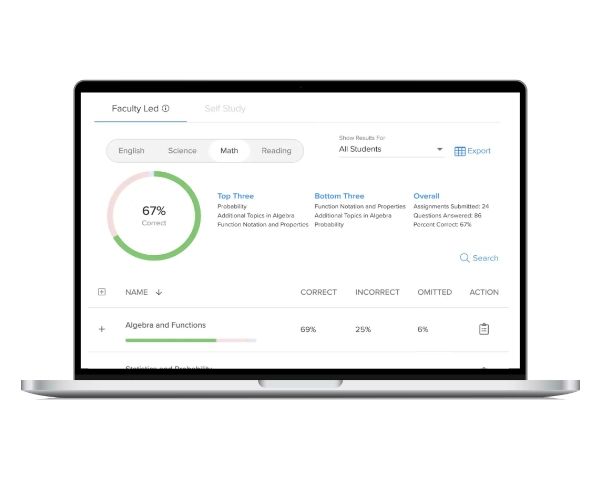
- Use trusted tools like UWorld to practice NCLEX-style questions and track improvement.
“The 4th time around, I changed my whole approach. I bought UWorld and only used that. I reviewed content once a week. I stopped isolating myself; I hung out with friends, lived a balanced life, and tried to stay mentally healthy. I can’t even describe the feeling when I saw the word ‘PASSED.’ I want every single one of you to feel that, too.”


How Can I Manage Stress Before My NCLEX Retake?
It’s common to feel your anxiety increase with each retake. When you’ve already experienced a disappointing result, your brain remembers it, and brains love patterns. So, it tries to protect you by sounding the alarm: “Wait, what if this happens again!?”
You can develop new habits to break that pattern and coax your mind into a calm, focused state, where your knowledge and skills are accessible again.
Test-taking strategies that reduce stress and burnout:
- Use the Pomodoro Technique. Study for 25 minutes, break for 5. After 4 cycles, take a longer break.
- Know when to move on. If you freeze on a question, make your best choice and continue. Don’t let 1 stressful item impact the next.
- Break down select-all-that-apply items individually. Treat each option as its own true/false decision, reducing all-or-nothing thinking.
- Take time to notice wins. Recognize correct answers or a completed rationale review, because confidence compounds.
Anxiety-reducing habits:
- Schedule study breaks. It may feel counterproductive, but short pauses reset your brain and reduce anxiety.
- Use the 4-4-4 breathing technique before you study. Inhale for 4 seconds, hold for 4 seconds, and then exhale for 4 seconds.
- Lean on people who get it. Support from peers or mentors helps alleviate the pressure on yourself.
Keep Going. Your Scrubs Are Waiting.
So many incredible nurses started exactly where you are now, facing a retake and wondering what comes next. We’ve watched countless students regroup, refocus, and come back stronger to build exceptional careers. Having support makes a difference, and you’ve got a whole community behind you as you prepare for your next attempt.
Frequently Asked Questions (FAQs)
How soon can I retake the NCLEX after failing?
You must wait at least 45 days between attempts. Some states set different waiting periods, so confirm your timeline with your NRB.
How many times can I retake the NCLEX?
Most states allow up to 8 attempts per year. Check with your NRB for your state’s retake limit.
Do I need to reapply with my state board or just Pearson VUE?
Both. Your NRB must clear you to retest, then Pearson handles your registration and ATT.
Will my previous NCLEX results affect my next attempt?
No. Each attempt is scored independently.
Will employers know I failed the NCLEX?
Employers only see if you are licensed. Failed attempts are kept on file by your state board of nursing, but test results are not public.
What’s the best way to study differently for an NCLEX retake?
Start with your CPR and focus on areas marked “below.” Try new study methods, use test-like practice, and build stamina with timed practice exams.